OUR STORY
A Kyoto shop, on the same street since 1737.
Founded in the second year of Genbun (1737), Teramura Botando has stood on Kyoto’s Teramachi street for nearly three centuries.
OUR PLACE
On Teramachi street,
a cultural avenue of Kyoto.
Teramachi takes its name from the late 16th century, when Toyotomi Hideyoshi gathered many of Kyoto’s temples along this north-south street. Over the Edo period, it evolved into a quiet street of fine shops — books, tools, kimono fabrics, and the everyday goods that supported Kyoto’s cultural life.
Teramura Botando opened its doors here in 1737. Through the centuries, the family, the goods and the customers have changed — but the shop has remained on the same corner, woven into the daily fabric of Kyoto.
OUR ROLE
Bringing Japan’s towel regions
to a single Kyoto storefront.
What we have always done at Teramura Botando is more than retail. From the towel-weaving towns of Imabari (Ehime) and Senshu (Osaka), to the Oboro-printing tradition of Tsu (Mie), and other towel regions across Japan, we have spent generations getting to know the makers, the water, the climate and the techniques that shape each fabric.
The items we carry have changed over the centuries — towels became part of daily life in the Meiji era; pajamas and aprons followed in the 20th century; today, more international travellers walk into the shop than ever before. But the role we play in Kyoto has not changed. We introduce Japan’s towel culture, one piece at a time, in person.
Passing weaving culture on to the next generation. Letting one piece of cloth open a window onto the richness of Japanese craft. That is what keeps us on this street.
HISTORY
The story of the house
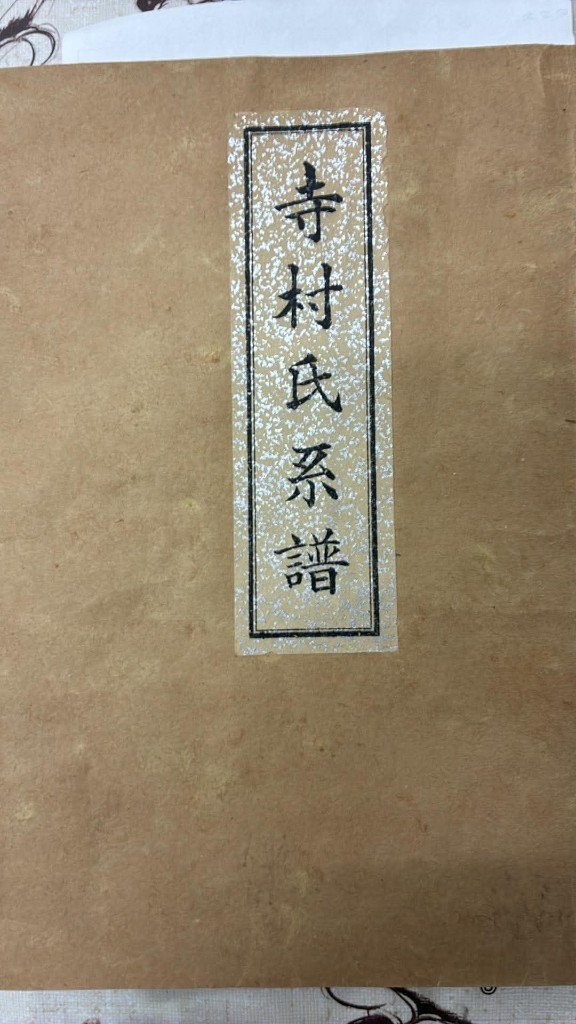
Teramura Botando Co., Ltd.
Founded in Genbun 2 (1737)
The first head, Sakaiya Kinshiro, branched from the Teramura Hyakuike family, took the name Sakaiya, and began by selling Ibuki moxa. The family precept given by Hyakuike — Fujin Kashiko, “do not be greedy; cherish what you have” — has been kept by each generation.
The first head knew the poet Buson. The verse placed with him, “Utsushiuete botan wa hana no Eiboken,” is the origin of the shop’s name, Botando.
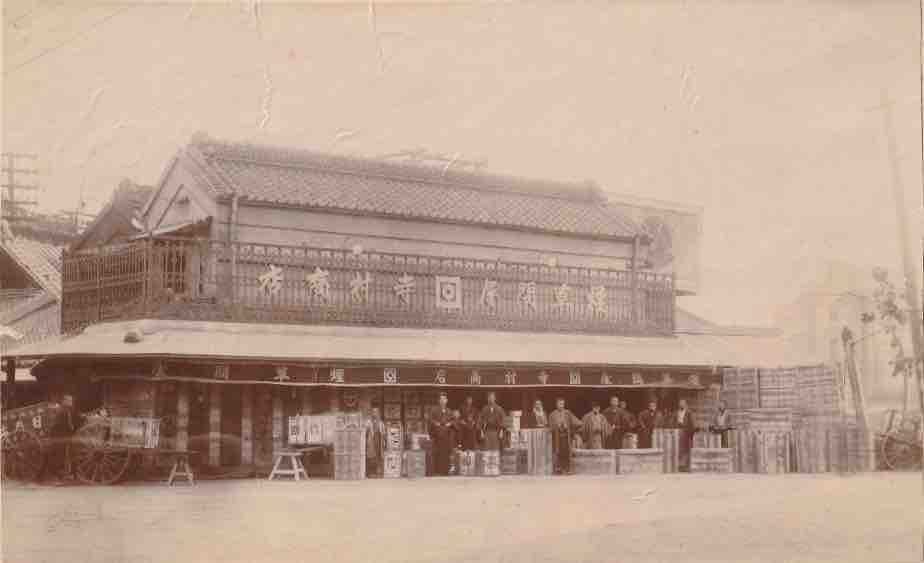
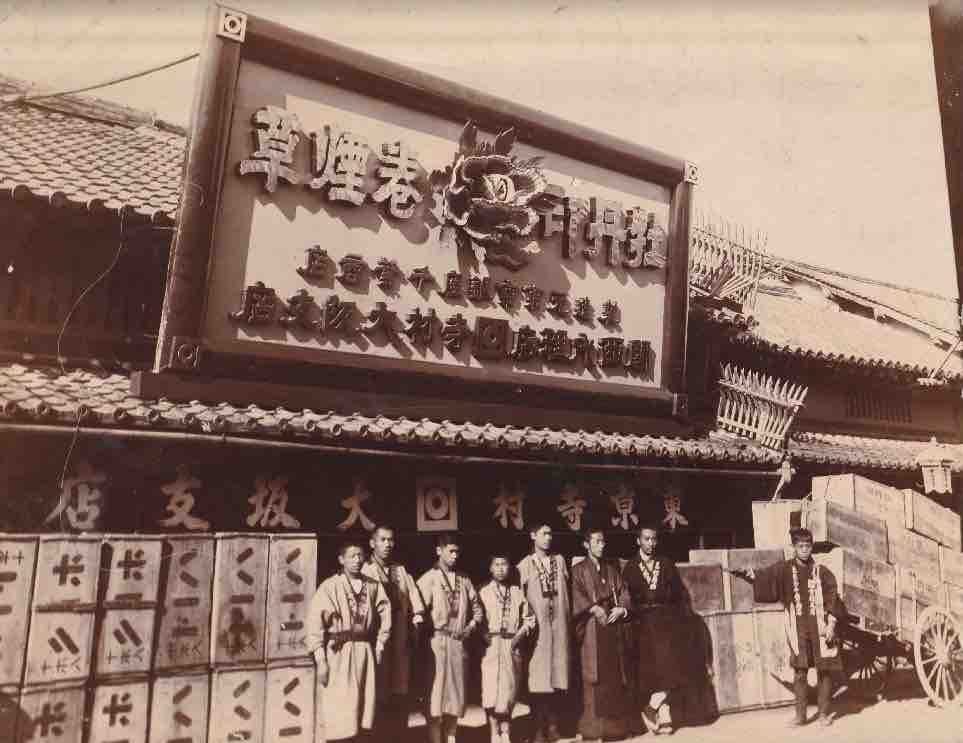
After moxa came iron kettles and yatate (portable writing sets), then wholesale and retail of privately made tobacco. Today the shop deals in handkerchiefs and towels. Its motto is Banji Hodoyoshi: all things in good measure.
Tobacco, wholesale and retail
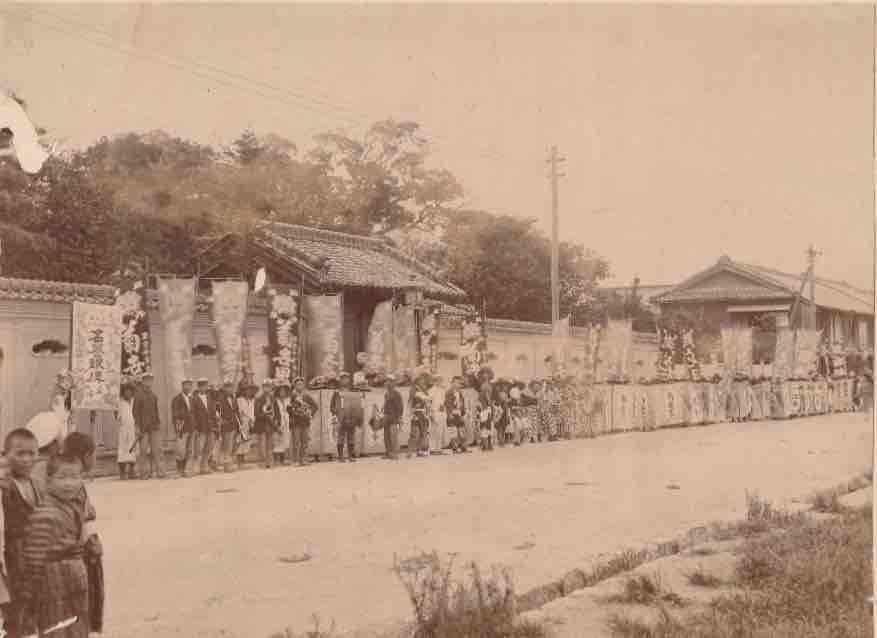
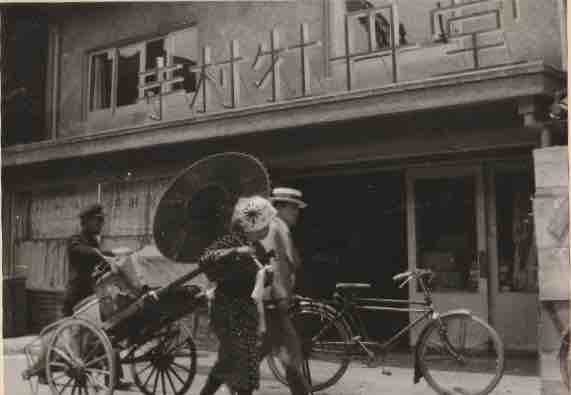
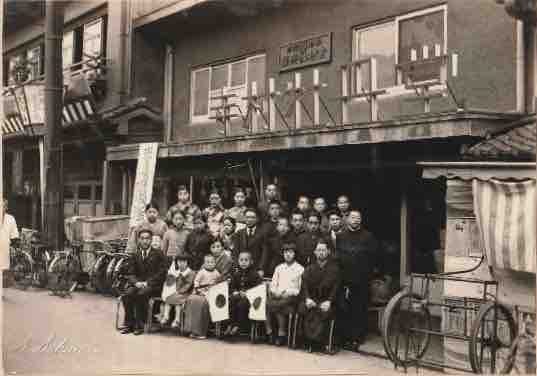
After moxa, iron kettles and yatate, Teramura Shoten wholesaled privately made tobacco and sold it in shops as well. The peony remains on the signs and the brand names of that time.
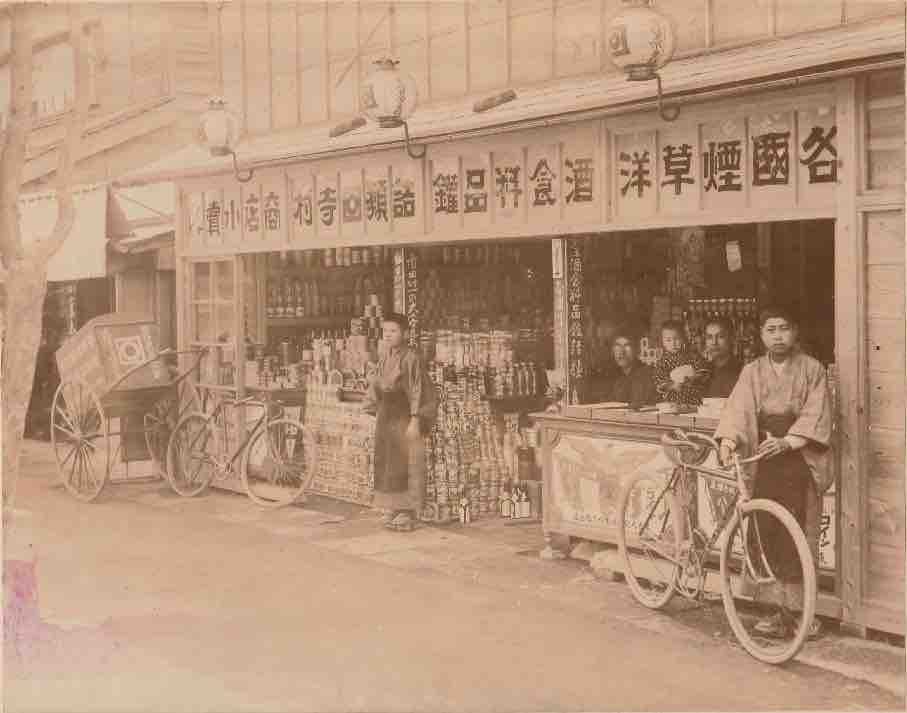
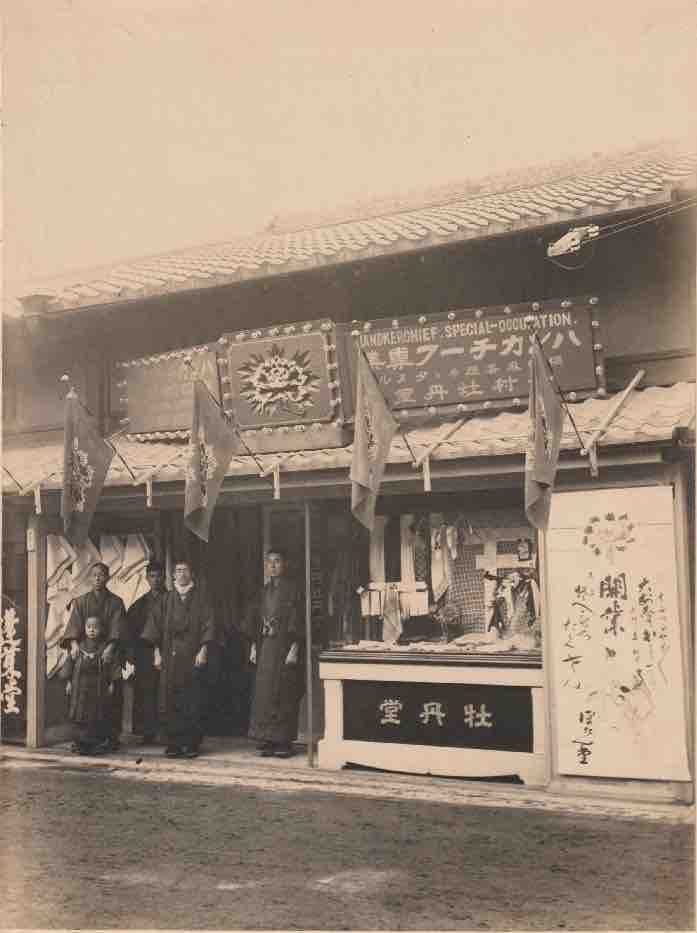
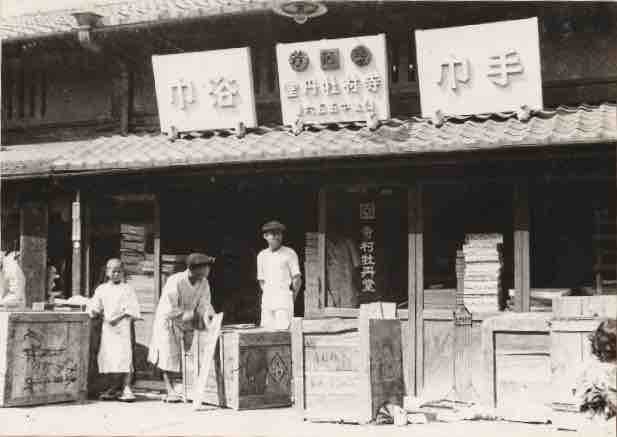
Handkerchiefs and towels
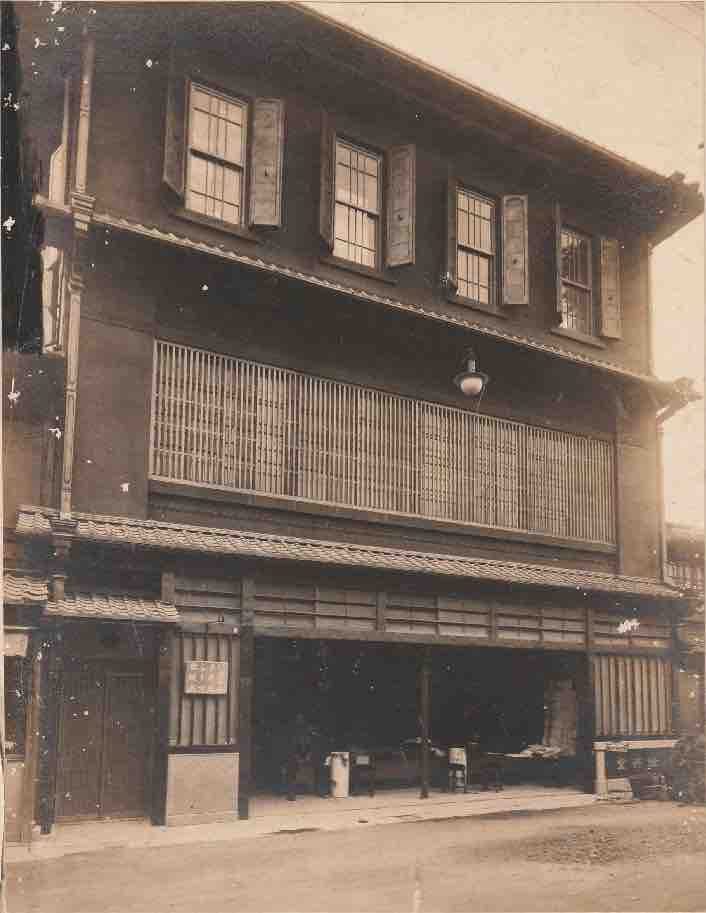
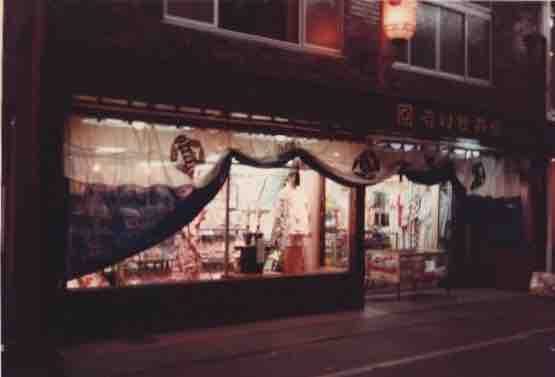
The trade today is handkerchiefs and towels. From the opening photograph, the shop’s name is Teramura Botando.
OUR VALUES
What we believe in
- Same place, with sincerity. Staying on this street for nearly three centuries means our products and our service must remain honest.
- Close to the makers. Long relationships with weavers and craftspeople, choosing pieces that suit modern life.
- Part of Teramachi street. A small, quiet member of one of Kyoto’s most cultural avenues.
- For the next generation. So that Japan’s towel culture continues to live in our customers’ daily lives.
Family precept: Fujin Kashiko — do not be greedy; cherish what you have. Motto: Banji Hodoyoshi — all things in good measure.
OUR STRENGTHS
Four reasons to step inside
-
01
Long relationships with Japan’s towel regions
Direct ties with weavers in Imabari (Ehime), Senshu (Osaka), the Oboro tradition of Tsu (Mie), and beyond.
-
02
Part of Kyoto’s cultural fabric
On Teramachi street, a centuries-old avenue of Kyoto craft and culture.
-
03
In-person introduction to each piece
Owner and staff introduce each piece in the shop. Visitors from abroad are very welcome.
-
04
In the heart of central Kyoto
Within walking distance of Nishiki Market, Honno-ji and Kawaramachi. About 5 minutes from Hankyu Kyoto-Kawaramachi.
FROM THE OWNER
A note from the owner
For nearly three centuries, this shop has stood on the same street thanks to the craftspeople who make these towels, and to every visitor who has stepped through the noren. On this small corner of Teramachi, we will continue to share Japan’s towel culture with care — one piece, one conversation at a time.
When you are in Kyoto, please feel welcome to step inside. We will be happy to share the story behind each piece, and the regions of Japan they come from.
— Owner, Teramura Botando