TOWEL REGIONS

Why are Japanese towels loved across the world?

Climate, water, and centuries of tradition.
Japan’s towel regions each tell a different story through their cloth.

A piece of cloth carries the place that made it — the soft water of a particular river, the climate of a region, the techniques of generations of weavers. That is why Japanese towels are loved across the world: each region has its own quiet character.

Teramura Botando works with weaving regions across Japan. On this page we introduce three of them, all with which we have long-standing ties: Imabari (Ehime), Senshu (Osaka), and the Oboro tradition of Tsu (Mie).

Note: We carry towels produced in each of these regions. Brand names such as “Imabari Towel” or “Oboro Towel” refer to specific certifications or makers, and our shop does not guarantee any single brand. Please feel free to ask in-store about each piece.

HOW CLOTH IS MADE

From yarn to cloth

Mills in two of the regions whose towels we carry. There are no photographs of the Oboro method of Tsu, Mie; it is introduced in words below.

Imabari, Ehime — Kontex Co.

A towel maker in the Imabari region of Ehime. From preparing the yarn to weaving patterns and finishing the rolls.

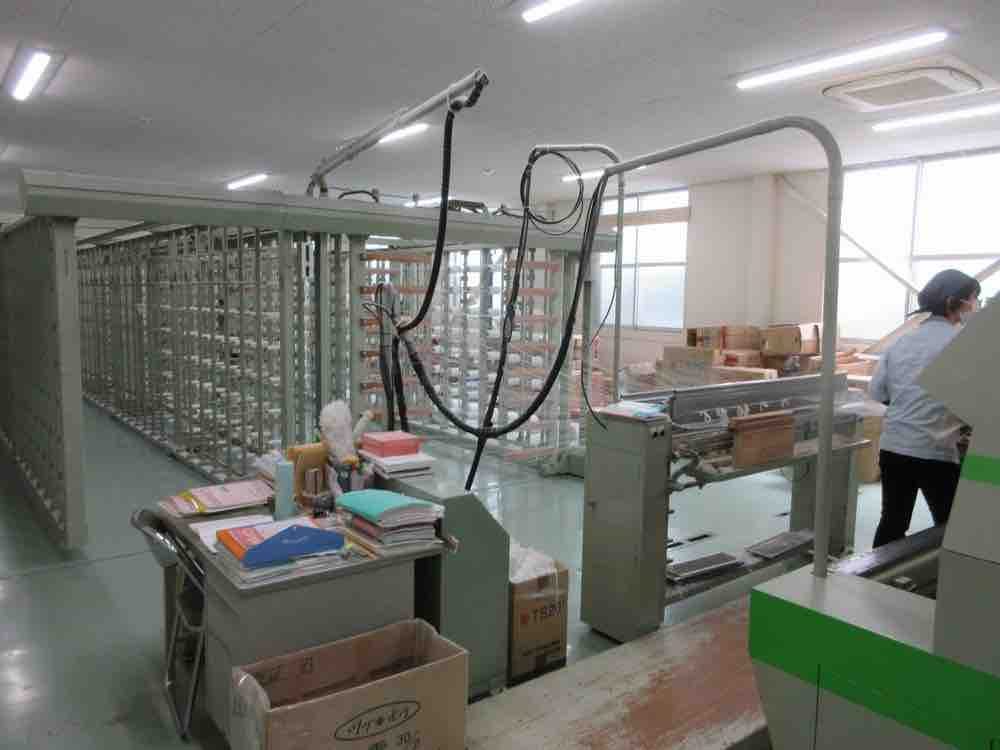
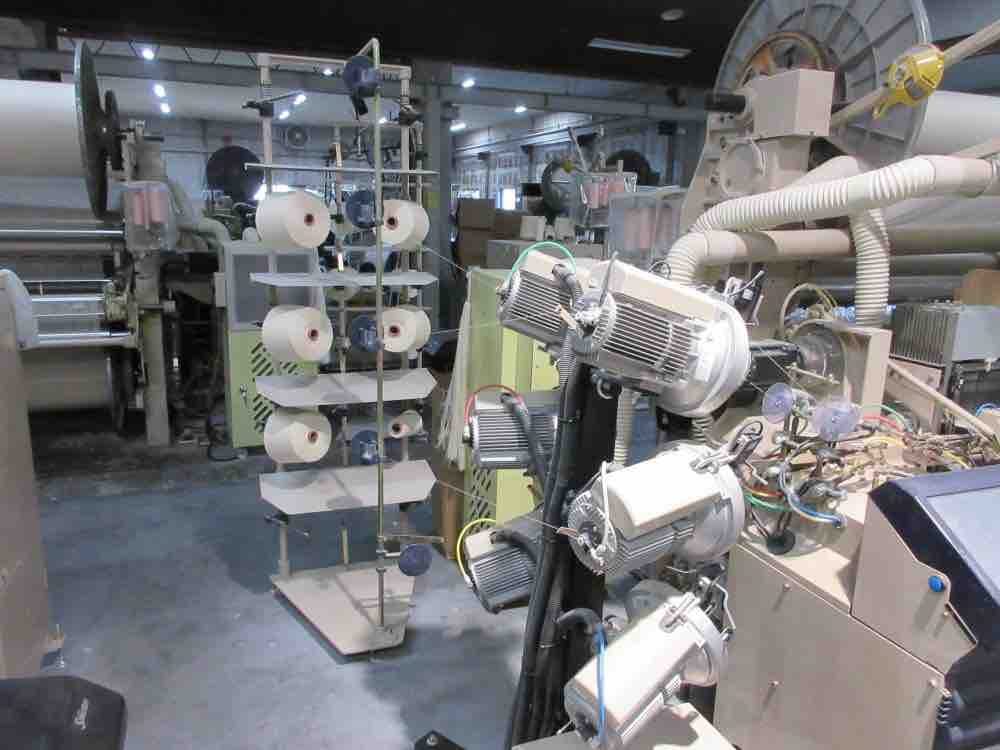
Yarn lined on a frame
Yarn lined on a frame, prepared before weaving.
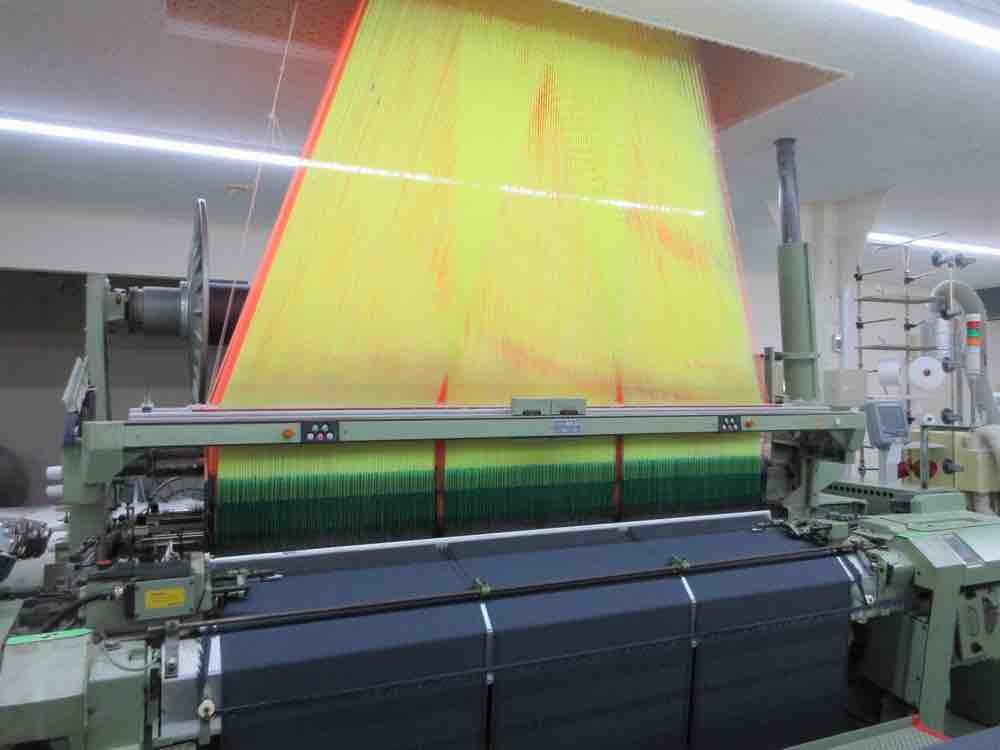
A loom with yellow warp
Yellow warp on the loom, and cloth forming below.
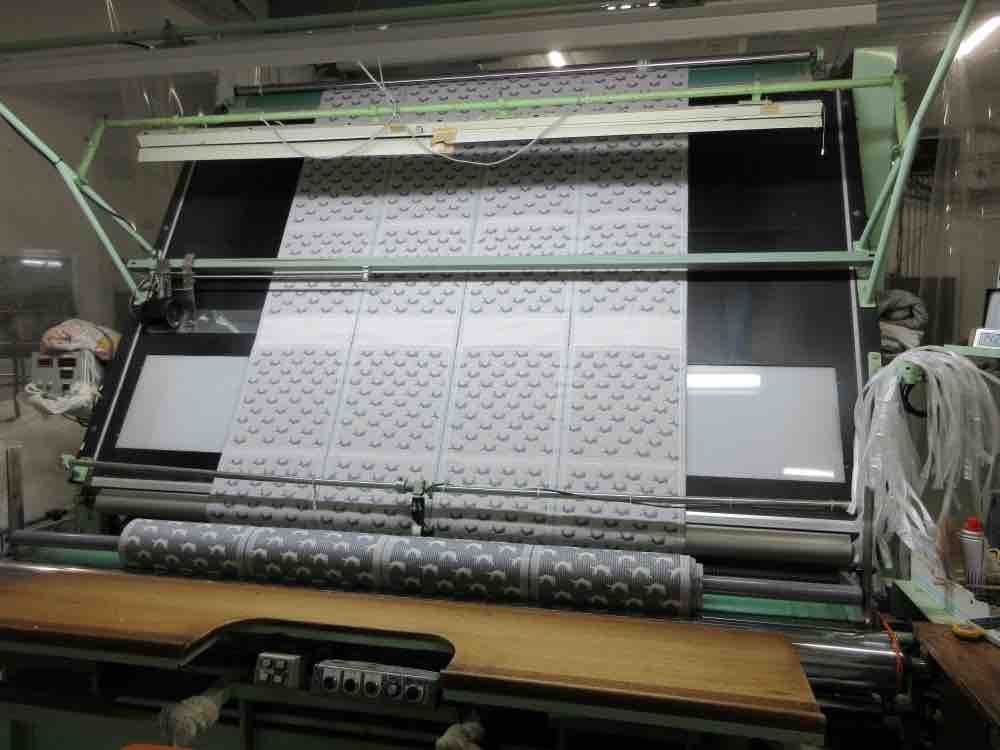
A jacquard loom weaving a pattern
Patterned cloth spread on the machine, and rolled underneath.
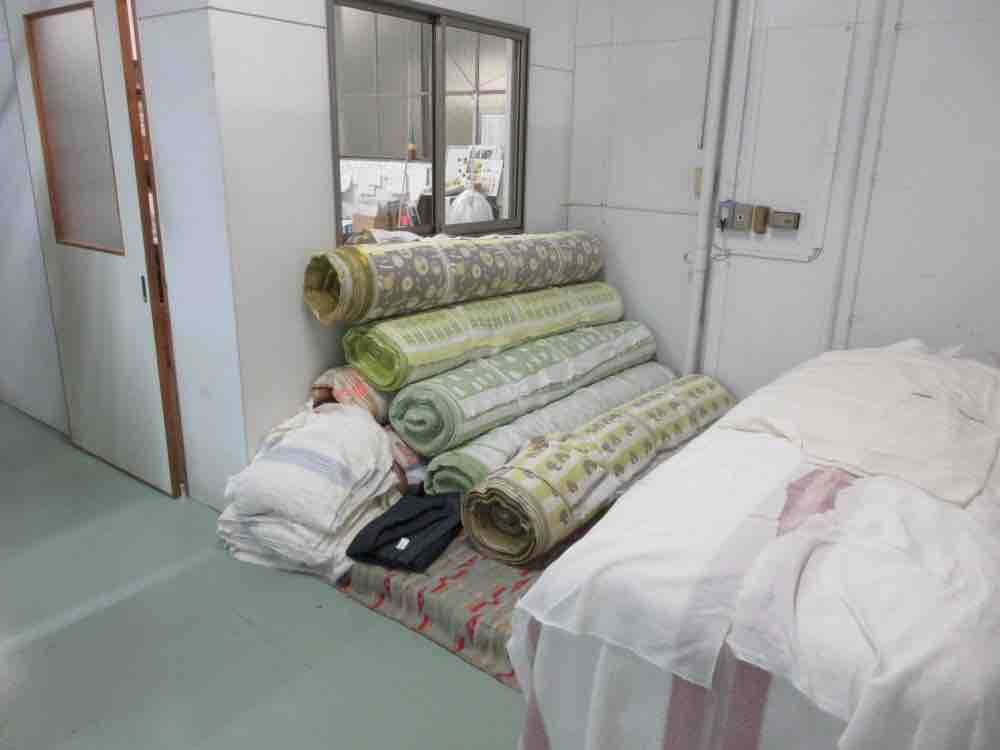
Rolls of patterned cloth
Patterned rolls, stacked.
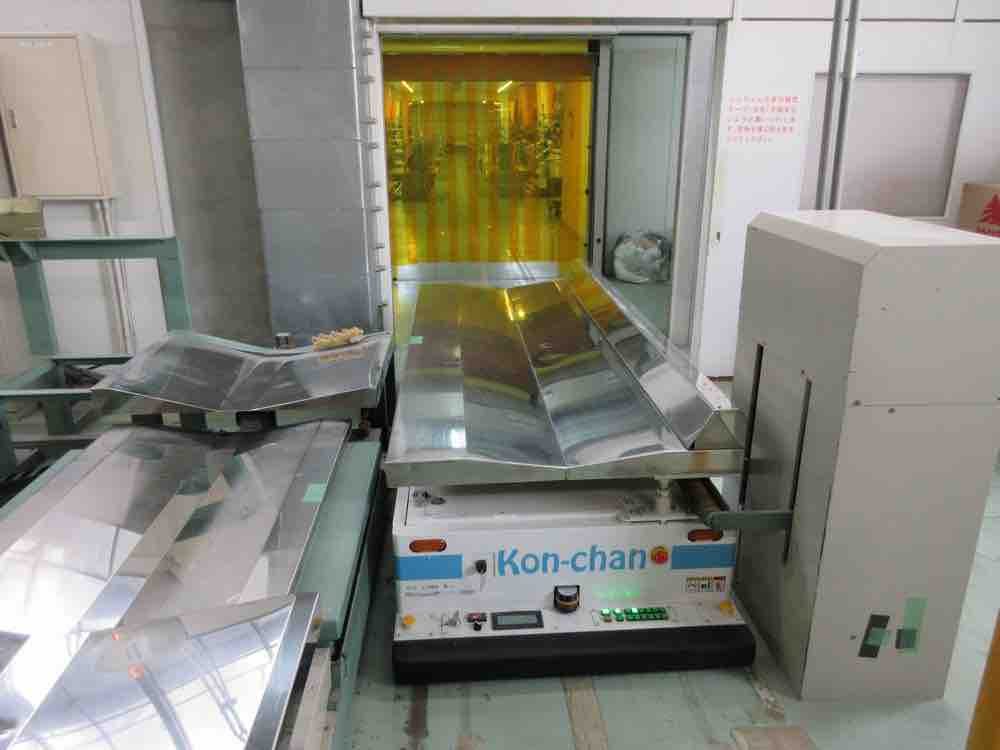
A cart moving through the mill
A cart moving through the mill. Beyond it, the room of yellow warp.

Senshu, Osaka — Ueno Co.

A towel maker in the Senshu region of Osaka. Senshu is known for atozarashi, a finish that removes paste and oil after weaving.

Wound yarn
Wound yarn passing to the machines.
Looms in the mill
Looms filling the mill.
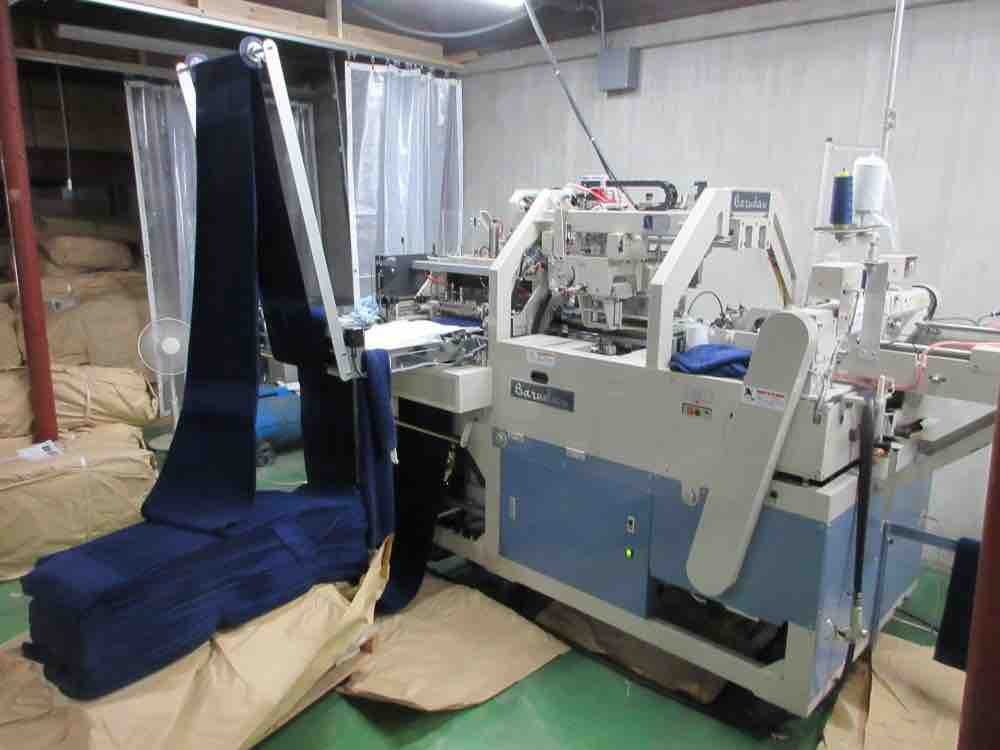
A hem-sewing machine
The edge of the woven cloth is sewn.
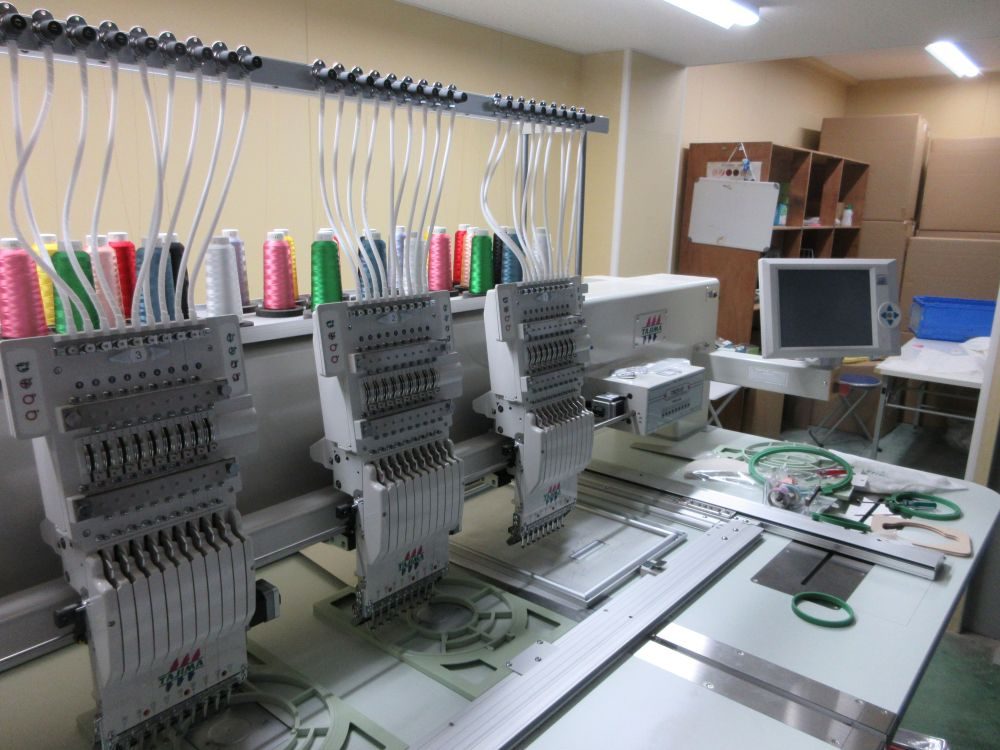
An embroidery machine
Coloured threads. A mark added after the cloth is woven.

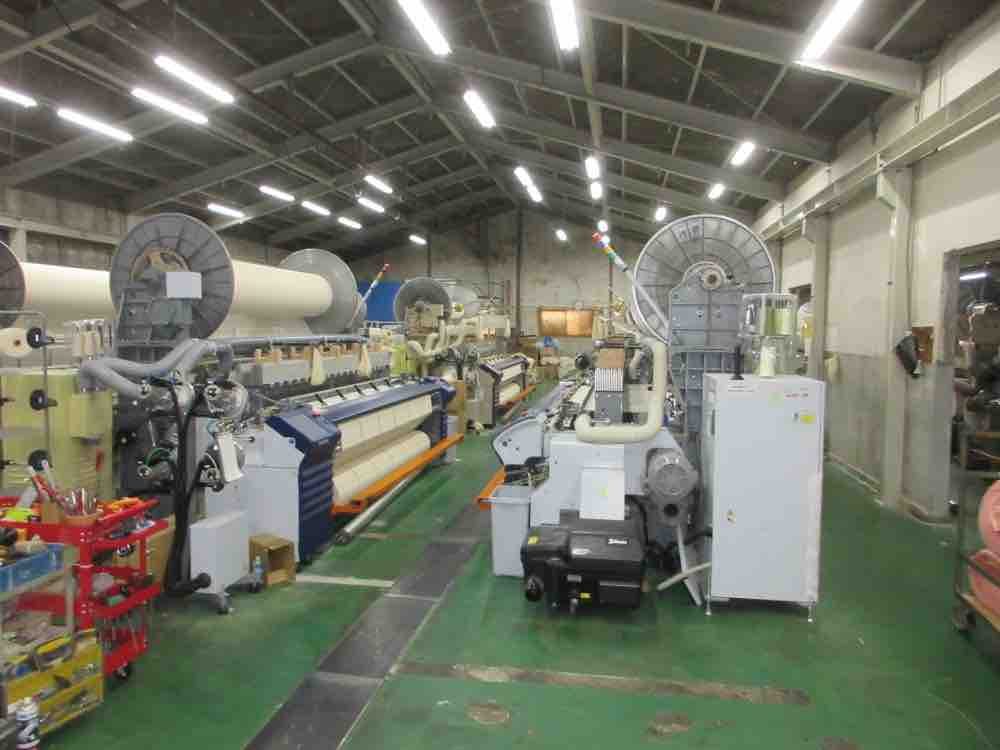
Senshu, Osaka — Shinho Towel

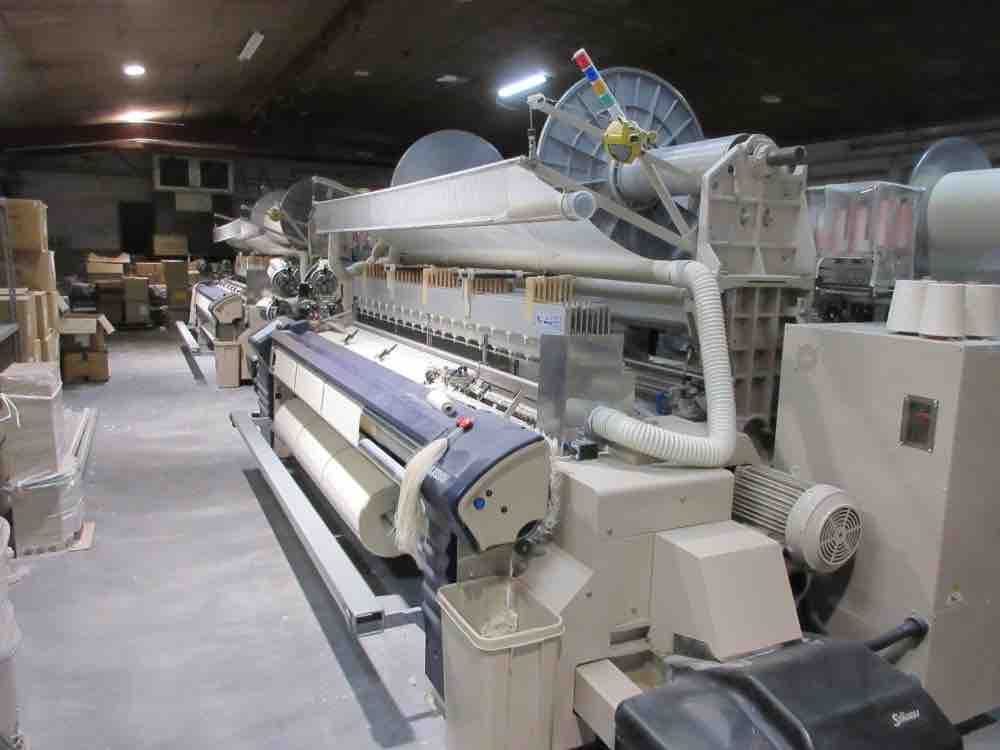
Looms running the length of a mill
Looms running the length of a high-ceilinged mill.
Ehime

Imabari, Ehime 瀬戸内 / Setouchi

Cloth raised by the waters and mountains of Shikoku.

Imabari, on the northern coast of Ehime facing the Seto Inland Sea, is one of Japan’s most renowned towel regions. Towel-making here is said to have begun in the late 19th century. The soft water from the mountains of Shikoku is gentle on the yarn, and the region as a whole is known for its thickness, weight and absorbency.

At Teramura Botando, towels woven in the Imabari region are a long-standing favourite for meaningful gifts and anniversaries.

  • RegionImabari area, Ehime (Shikoku, Setouchi)
  • CharacterThick, absorbent, refined finishing
  • Recommended forAnniversaries & meaningful gifts
Osaka

Senshu, Osaka 関西 / Kansai

Soft and absorbent from the very first use.

Senshu, in the southern part of Osaka, is one of the earliest regions in Japan to develop towel weaving in the Meiji era. It is known for its “after-bleaching” finishing, where oils and starch are washed off after the towel is woven. This makes the towels absorbent and quick-drying right from the first use.

In Kyoto households, Senshu towels have long been the everyday choice. We carry pieces suited to daily home use and to your stay in a Kyoto ryokan or hotel.

  • RegionSenshu area, Osaka (Kansai)
  • CharacterAfter-bleaching finish, quick-drying
  • Recommended forDaily use & Kyoto stays
Mie

Oboro tradition, Tsu (Mie) 東海 / Tokai

A Meiji-era printing technique, soft as a morning mist.

In the city of Tsu in Mie prefecture, a unique printing technique known as “Oboro” has been passed down since the Meiji period. The name means “hazy moon”, referring to the way patterns appear softly on the fabric. Towels made with this tradition are thin, light, and gentle on the skin.

We carry Oboro-tradition towels for travellers and for those with sensitive skin — a quiet favourite among our international visitors.

  • RegionTsu, Mie (Tokai region)
  • CharacterThin, light, gentle on the skin
  • Recommended forTravel & sensitive skin

Quick comparison

Region Character Recommended for
Imabari, Ehime Thick, absorbent, refined finishing. Anniversaries & meaningful gifts
Senshu, Osaka After-bleaching finish, quick-drying. Daily use & Kyoto stays
Oboro tradition, Tsu (Mie) Thin, light, gentle on the skin. Travel & sensitive skin

VISIT US

Feel each region in person.

Differences in weight, weave and feel are best understood with your hands. Step inside our shop on Teramachi street, and we will be happy to walk you through each region. Visitors from abroad are very welcome, and we will explain each piece with care.

Visit our store Contact us